The TournoiFacile team · Updated on
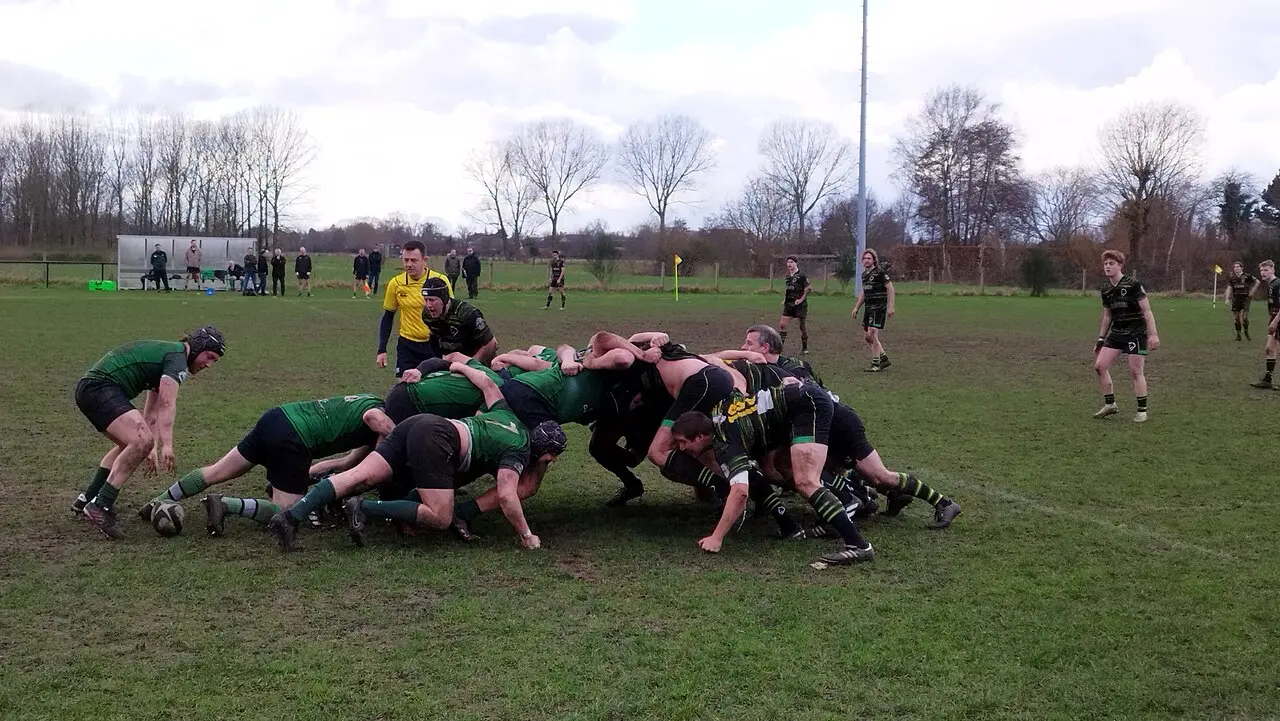

Choose the points table before the first pool
The French Rugby Federation (FFR, article 341-1.1) awards 4 points for a win, 2 for a draw and 0 for a defeat. An attacking bonus point goes to a team scoring at least three more tries than its opponent, a losing bonus point to a defeat by 7 points or fewer. World Rugby’s Rugby World Cup 2023 rules also use 4/2/0, but give the try bonus for scoring four tries, whatever the result. TournoiFacile offers both tables, the FFR five-a-side table and a 3/2/1 scale without bonus points. Check your own union’s regulations too.
Match the format to the game
Sevens is played in two halves of 7 minutes, extended to up to 10 minutes in a final under World Rugby’s laws. Sevens events often use 3/2/1, as the 2026 FISU World Championship Rugby Sevens does. Youth fifteens tournaments commonly play 2 × 10 to 2 × 15 minutes; follow your local regulations. In French five-a-side rugby, played without tackling, a try is worth one point. Create one category per format and age group, and leave recovery time between two matches of the same team.
Record the score and the tries
A try is worth 5 points, a conversion 2, a penalty goal or drop goal 3. Enter the final score and, when the table uses bonus points, each team’s tries: TournoiFacile then works out bonus points and standings. Without tries, no attacking bonus can be awarded. Under FFR rules a forfeit is recorded as 25-0 (article 342-1); the defaulting team loses 2 points and its opponent receives 4 points plus the bonus. Yellow and red cards are tracked as well.
Break ties and run the knockout stage
FFR article 343-2 first compares tied teams on their matches against each other: points, points difference, then try difference. Overall points difference, overall try difference, points scored and tries scored follow. TournoiFacile applies this order by default. In knockout rounds, a drawn match is decided by tries scored, then by kicks at goal (article 454). Qualified teams are placed automatically, matches are spread over several pitches and public pages follow the action live.
A worked example
Twelve sevens teams in three pools of four
The top two in each pool and the two best third-placed teams play quarter-finals, then semi-finals and a final.
| Pools | 3 × 6 = 18 matches |
|---|---|
| Knockout stage | 4 + 2 + 1 = 7 matches |
| Total | 25 matches |
Allow about 20 minutes per slot: 2 × 7 minutes, half-time and changeover. On two pitches these 25 matches need at least 13 slots, roughly 4 hours 20 minutes before breaks.
Step by step in TournoiFacile
Choose the sport and entrants
Select your sport when creating a tournament. Name the competition and enter the categories and numbers of entrants. You can add final names later. Open the custom format if your event needs a different structure.
Prepare the matches
Choose the groups and what follows them. Add the pitches, courts or tables you can actually use, together with the playing days and available times. Allow for breaks and changeovers.
Check the schedule
Generate the programme, then check rest times and each category’s start times. Manual placement also lets you work by round, phase or category. Review estimated times before publishing.
Record and share results
Enter results using the scoring screen for your sport. Share the public link so that participants and spectators can find fixtures, scores and standings on their phones.
Practical questions
Which points table suits a sevens tournament?
3/2/1 without bonus points is common in sevens; the 2026 FISU World Championship Rugby Sevens uses it. Publish your choice in the rules before the event.
How is a forfeit recorded?
Under FFR rules the score is set at 25-0 (article 342-1). With the FFR table, the defaulting team loses 2 points and its opponent receives 5, bonus included.
These guides describe the workflows available in TournoiFacile. The figures are planning examples, not guaranteed running times. For a sanctioned competition, check the rules and requirements with your governing body.
Make it your tournament
Choose your sport, build the structure and check the outcome before sharing the public link.
Prepare my tournament · Compare plans